Challenges of aging
Aging is a beautiful journey, and getting older is a privilege, but it would be remiss to acknowledge the challenges associated with aging. One of these important changes is the gradual loss of muscle. That decline, known as sarcopenia, typically begins
in our 30s and accelerates after age 60, at a rate of around 3–5% per decade. Over time, that loss of strength and mass can make everyday tasks like climbing stairs, standing from a chair, or carrying groceries more difficult, which can increase the
risk of falls, fractures, and mobility issues.
While this news can be difficult to process, there are things that you can do to preserve your strength. With intentional movement, proper nutrition, and consistency, you can age gracefully and continue making memories that matter.
How you can fight back against aging muscles
In research on aging populations, resistance exercise (lifting weights, using bands, etc.) has been one of the most reliable ways to slow or partly reverse the impacts of aging. Furthermore, strong muscles are linked with lower risk of chronic diseases
(like diabetes), better metabolism, and longer life.
What kinds of movement work best
Here's more good news: you don't need to become a bodybuilder in order to preserve muscle mass. The goal is functional strength and consistency:

1. Resistance or strength training
Use resistance bands, dumbbells, weight machines, or even everyday objects like water bottles. The key is to challenge your muscles and gradually increase the resistance. Start with 2–3 sessions per week, doing 1–3 sets of 8–12 repetitions for major muscle
groups (legs, arms, back, core). Keep in mind that you might be working different muscles than you're used to, so be patient and kind to yourself. Practice positive self-talk and affirmations. Expect progress to be slow and require commitment and
dedication. The “Growing Stronger” program from CDC is a trusted strength training guide that you can reference.
2. Balance and flexibility work
Walking, swimming, cycling, or light cardio are great for heart health, blood flow, and overall function, but by themselves, they don’t preserve muscle mass. Use them to supplement strength work, not instead of it.
3. Functional “real-world” movements
Practice motions you do regularly like standing from a chair, carrying groceries, lifting a light object overhead. These strengthen the muscles you actually use in daily life.
The Role of Physical Therapy in Staying Active

As we age, physical therapy becomes an invaluable tool for maintaining strength, mobility, and overall well-being. Whether you're recovering from an injury or managing chronic pain, PT helps you move safely and effectively, ensuring that you can stay
active and enjoy daily life.
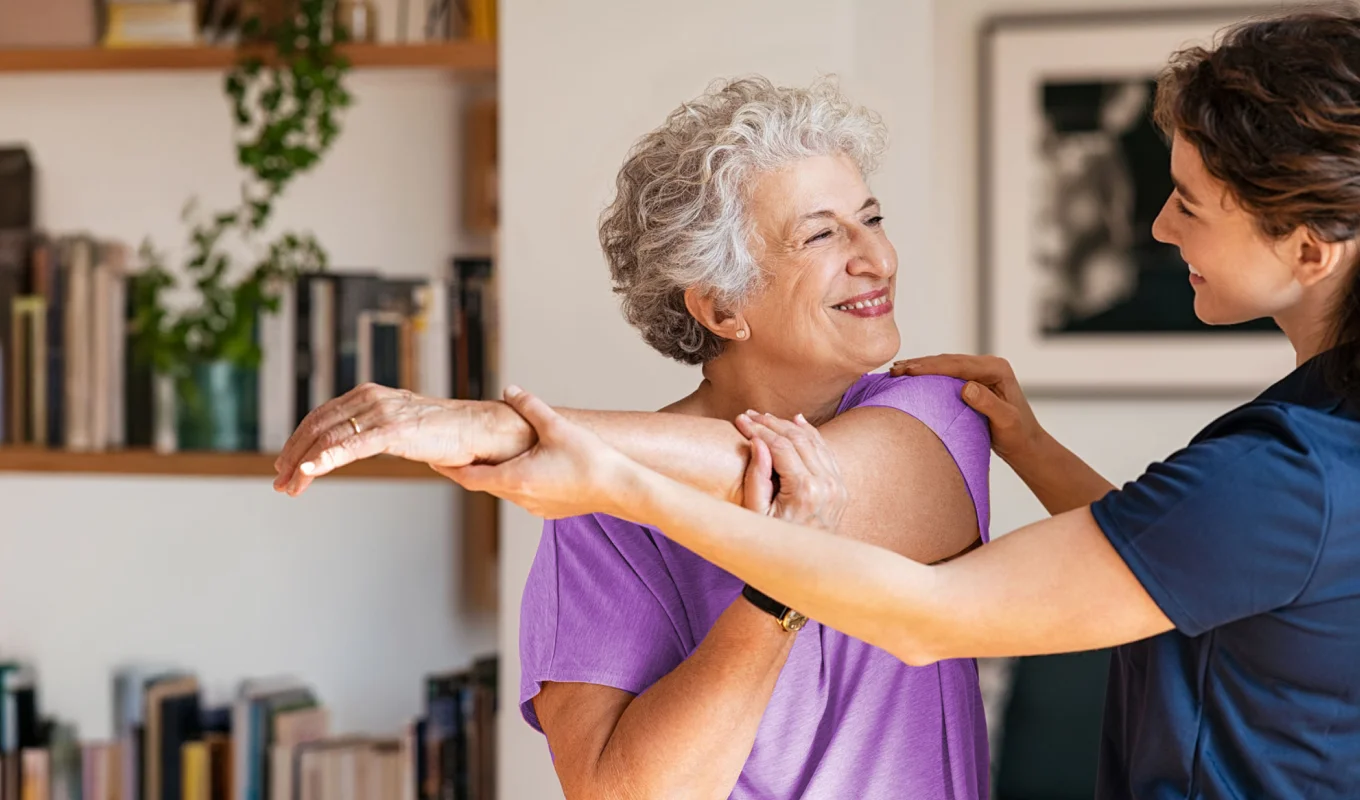
For older adults, PT offers tailored support that works with the body’s unique needs. It focuses on proper movement patterns, building strength, improving balance, and relieving pain, which are all essential for healthy aging. PT isn’t just for rehabilitation;
it’s an ongoing way to maintain and improve function as you age.
Here are a few key benefits of physical therapy for older adults:
1. Pain Management
PT can help alleviate chronic pain by targeting the root cause and teaching exercises that reduce discomfort. Techniques like manual therapy, heat/cold treatments, and therapeutic exercises can make daily activities more manageable.
2. Improved Mobility and Flexibility
As we age, joints and muscles can become stiff. PT helps to maintain or improve flexibility and range of motion, allowing you to stay active and independent.
3. Fall Prevention
Balance and stability are key to preventing falls, which are a major concern for older adults. PT strengthens muscles and improves coordination, reducing the risk of falls.
4. Personalized Exercise Plans
PT offers customized exercise plans that are designed around your specific health condition and fitness level. Whether you're dealing with arthritis, osteoporosis, or general deconditioning, physical therapists create a roadmap for safe and effective
activity.
5. Restoring Function
If you've had a health setback or injury, PT helps you regain function, restoring your ability to perform everyday tasks, from walking to getting up from a chair.
6. Mental Health Benefits
Staying active has been shown to boost mood and mental clarity. PT promotes physical health, which is linked to better cognitive function and reduced feelings of depression or anxiety, which can be common in older adults.
7. In-Home Convenience
With in-home physical therapy through services like Luna, you can get the care you need in the comfort of your home. This eliminates the need for travel, making it easier to stick to your therapy schedule and integrate it into your daily routine.

Nutrition and recovery: the muscle helpers
Even with great workouts, muscles need the right fuel and rest to rebuild.

It is recommended that older adults consume 1-1.2 grams of protein per kilogram body weight (one kilogram is about 2.2 pounds). Spread protein intake throughout the day (breakfast, lunch, dinner) to feed muscle repair, and switch up your meals by eating
different types of protein.

Undereating can force your body to break down muscle for energy.

Carbs fuel workouts; fats support hormones and cell health.

Dehydration and poor sleep reduce your body’s ability to repair muscle and respond to exercise stimulus.

Your muscles adapt and grow during rest, so don’t overdo it and overextend yourself.
Building a sustainable plan (for you)
Get medical clearance: Especially if you have chronic conditions (arthritis, heart disease, diabetes, pain), check with your physician or physical therapist before beginning.
- Start small: Even 5–10 minutes of resistance work 2 times per week is better than nothing.
- Be consistent: Strength gains (or preservation) accrue over months and years, not days.
- Adjust as you go: As moves become easier, raise resistance, add reps, or include a new exercise.
- Listen to your body: Mild soreness is normal; sharp pain or joint aggravation is a signal to reduce intensity or modify form.
- Lean on others for support: A trusted trainer, therapist, or exercise group for older adults can help with form, safety, and motivation.
Staying active through the decades
The phrase “use it or lose it” applies strongly to muscles. Every bit of strength work helps tip the balance back toward preservation. Even if you've had periods of inactivity or health struggles, your muscles still retain some plasticity, which means
you can regain strength, slowly and safely.
For older adults living with chronic pain, the aim is not perfection, it’s progress, consistency, and adaptation. Focus on movement you enjoy and can sustain. Building (or maintaining) muscle is one of the most powerful investments you can make for your
future, enabling you to stay active, enjoy daily life, and reduce risks tied to muscle loss.
Get started with Luna today, so you too can confidently from the comfort of your home.